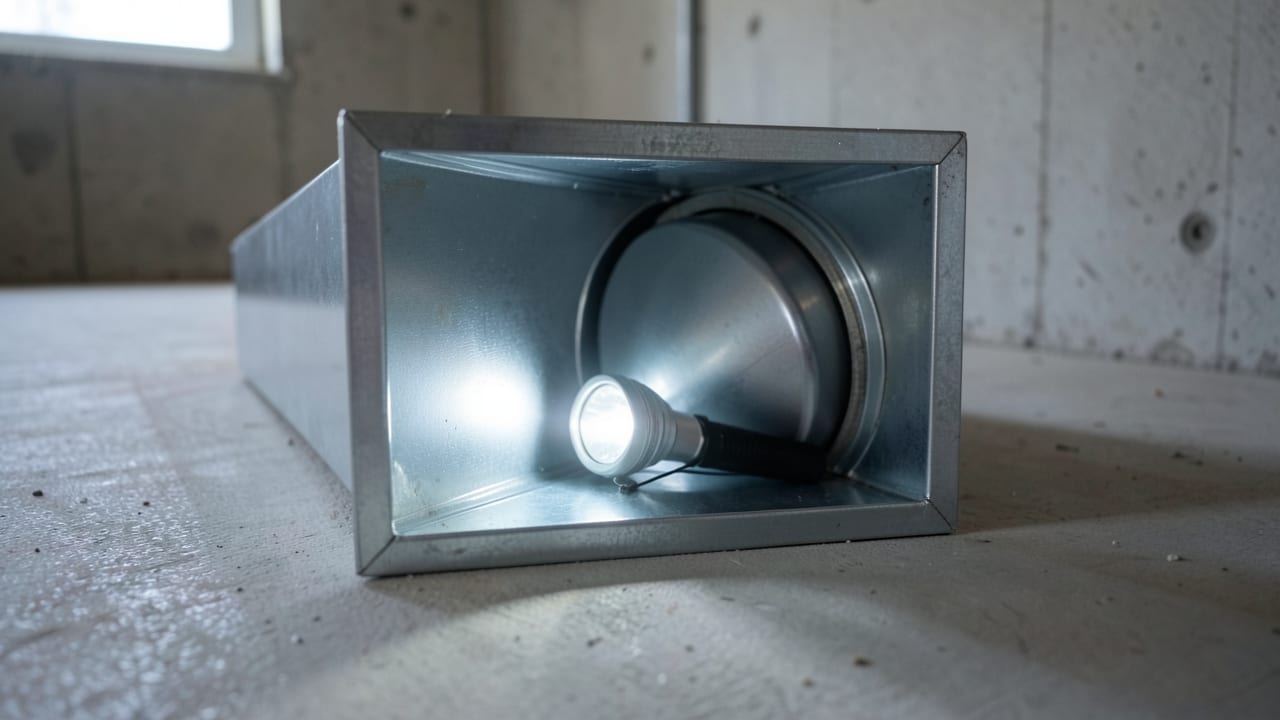
Ductwork Inspection
Professional inspection of air ducts and HVAC systems to assess cleanliness and functionality.
In Apopka, FL, a ductwork inspection evaluates your HVAC system’s air ducts for dust, mold, or damage that could harm airflow and indoor air quality.
Using a camera scope and airflow tests, this non-invasive service provides a clear record of your system’s condition, helping you decide if cleaning or repairs are needed before symptoms worsen or a move requires documentation.
We also handle Supply Vent Cleaning and Metal Duct Cleaning for Apopka properties.
When to schedule an inspection
An inspection is most useful when you have specific concerns or changes in your home. If you’ve never had your ducts checked, suspect hidden mold or pests, or notice uneven heating/cooling, an inspection can reveal issues before they become costly problems.
It’s also a smart step before buying or selling a home, as a written report provides objective proof of your system’s condition.
Recent renovations, water leaks, or pest activity near your ducts are red flags. Construction dust settles deep in ducts, while pests or leaks can introduce mold or debris that only a direct inspection confirms.
Skipping this step risks missing hidden damage or contamination that affects your family’s health or HVAC efficiency.
Signs an Inspection Is Needed
- A room stays significantly hotter or colder than the rest of the house, even with the thermostat set properly.
- Your HVAC system runs longer than usual to maintain the same temperature, hinting at reduced airflow.
- You’ve noticed increased dust, allergies, or musty odors—possible signs of mold, pests, or debris in the ducts.
- Your home has undergone recent construction, pest treatment, or water damage near the ductwork.
- You’re preparing to sell, buy, or move in, and want a neutral, documented assessment of the system’s condition.
What the inspection covers
A thorough ductwork inspection goes beyond a quick glance. A camera scope is used to examine inaccessible sections of your ducts, documenting dust buildup, biological growth, or physical damage.
Airflow is measured at each register to compare against your system’s rated capacity, identifying blockages or disconnected runs that may not be visible.
For indoor air quality concerns, air samples are collected from both the supply air and room air and sent to an independent lab. This ensures unbiased results, as lab analysis removes any potential bias from on-site testing.
The final report includes photos, airflow measurements, and lab results—giving you a complete picture to make informed decisions.
| Inspection Step | What It Checks For | Why It Matters |
|---|---|---|
| Camera Scope Inspection | Dust, debris, mold, and physical damage in ducts | Identifies hidden contamination or structural issues that affect airflow and air quality |
| Airflow Measurement at Registers | Blockages, disconnected ducts, or undersized sections | Pinpoints why certain rooms feel hotter/colder or if the system struggles to maintain temperature |
| Air Sample Collection (if requested) | Particulate and biological contaminants in supply vs. room air | Provides lab-backed data on indoor air quality concerns, independent of on-site testing |
What to avoid in an inspection
Not all inspections are created equal. Skipping airflow measurements or relying on a single register’s dust level can miss critical issues. A true inspection should include a full camera scope review, airflow testing at multiple registers, and—if needed—lab-tested air samples.
Without these, you risk missing blockages, disconnected ducts, or hidden mold that only a comprehensive assessment can detect.
Beware of inspections that pressure you into additional services on the spot, like UV-light treatments or bundled add-ons. A reputable inspection provides clear, itemized findings without upselling. Always request a written report with photos and measurements to compare against future inspections or share with a real estate agent.
Avoid inspections that: only check visible vents (missing main trunk lines), skip airflow measurements, or bundle add-ons without clear pricing. A proper inspection should focus solely on documenting your ducts’ current condition—nothing more, nothing less.
How ductwork inspection works
A professional inspection is thorough, non-invasive, and focused on accuracy.
- 1Camera Scope Inspection
A flexible camera scope is inserted into accessible duct sections to visually document dust, debris, mold, or physical damage. This step captures a clear record of your ducts’ interior condition without disturbing anything.
- 2Airflow Measurement
Each supply and return register’s airflow is tested and compared to your HVAC system’s rated capacity. Discrepancies indicate blockages, disconnected runs, or undersized ducts that restrict airflow.
- 3Air Sample Collection (Optional)
If indoor air quality is a concern, samples are taken from both supply air and room air. These are sent to an independent lab for unbiased analysis of particulates or biological contaminants.
- 4Written Report Delivery
Findings—including photos, airflow data, and lab results—are compiled into a detailed report. This document serves as your official record for decision-making, whether for cleaning, repairs, or real estate transactions.
Frequently asked questions
How often should I have my ducts inspected?
There’s no fixed schedule, but inspections make sense after major changes—renovations, pest issues, or water leaks—or if you notice comfort or efficiency problems. For most homeowners, an inspection every 5–10 years (or before a move/sale) is practical, especially if you keep filters clean and registers clear.
Will the inspection tell me if my ducts need cleaning?
Yes, the report will document dust, debris, or mold levels, along with airflow restrictions. However, only you decide whether to clean based on your comfort, health concerns, or the findings. Some buildup may not require cleaning if airflow is unaffected.
Can an inspection detect mold I can’t see?
Yes, the camera scope can reveal mold growth in hidden sections. For confirmation, air samples sent to a lab will identify biological contaminants, including mold spores, with precise lab results rather than on-site estimates.
Do I need to be home during the inspection?
No, but access to your HVAC system (e.g., a basement or attic) may be required. The technician will call ahead to coordinate entry. If you’re unavailable, leave clear instructions or a key for a trusted contact.
Where Apopka sits, and what the Census lists nearby
Apopka sits in Florida, and the closest places listed in the U.S. Census Gazetteer are Zellwood (2.9 miles northwest), South Apopka (3.5 miles southeast), Clarcona (5.2 miles south), Paradise Heights (5.4 miles south). Within 25 miles of Apopka the same source lists 85 distinct incorporated places and census-designated places.
Those figures matter for ductwork inspection because they are straight-line distances between Census coordinate points: road mileage between Apopka and Zellwood runs longer than the 2.9 miles shown, which is why quotes for the same job differ between towns that look close together on a map.
Source: U.S. Census Bureau Gazetteer.
See Plymouth, FL for more, or browse the air duct cleaning work we do around Apopka by service type for our complete lineup.
Ready to get started?
Talk to a local air duct cleaning pro in Apopka — get a written quote.
Other Air Duct Cleaning Services in Apopka
Supply Vent Cleaning in Apopka, FL
Professional cleaning of supply vents to improve airflow and indoor air quality in HVAC systems.
Learn More
Metal Duct Cleaning in Apopka, FL
Professional cleaning of metal ductwork to remove dust, debris, and contaminants from HVAC systems.
Learn More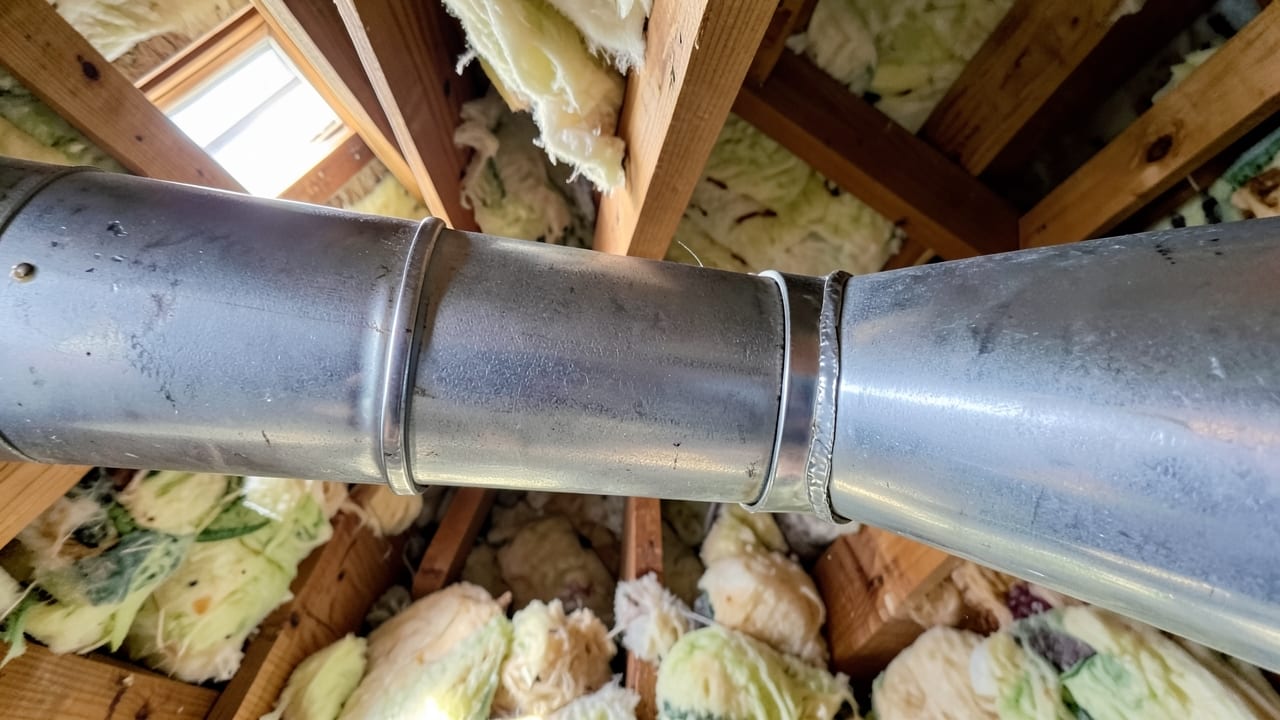
Ductwork Replacement in Apopka, FL
Replacing old or damaged air ducts to improve HVAC efficiency and indoor air quality.
Learn More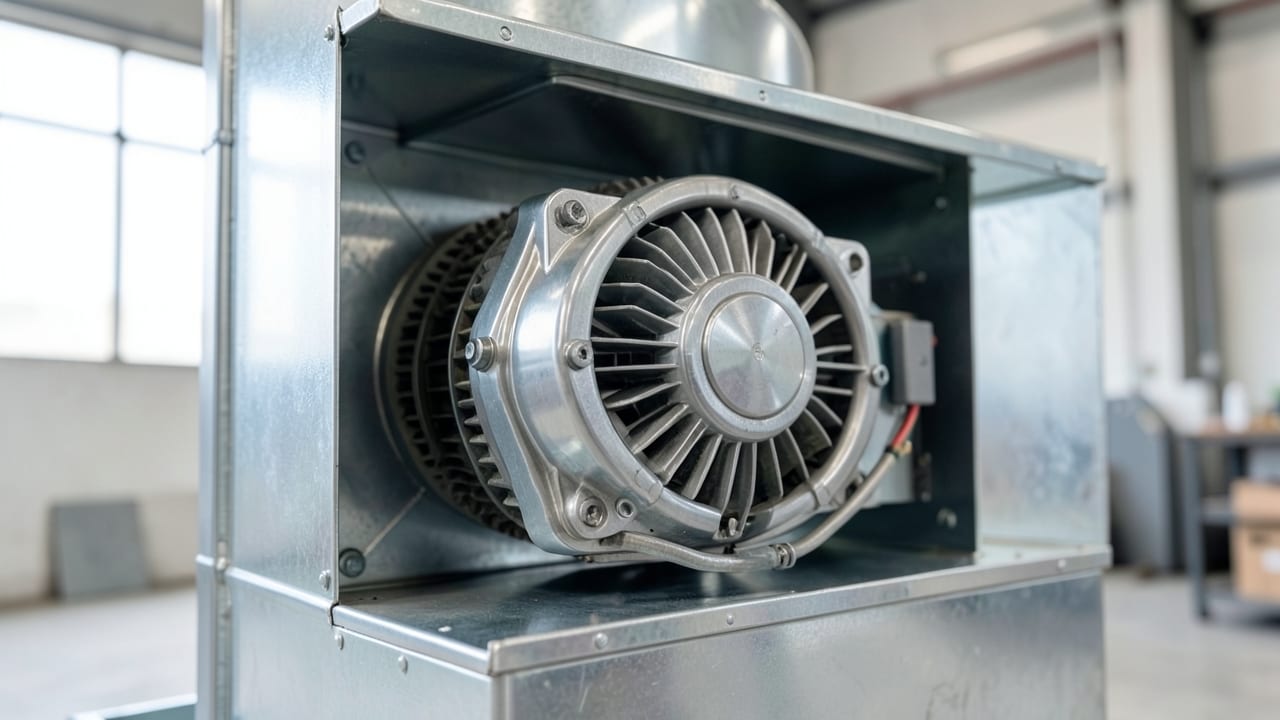
Blower Motor Cleaning in Apopka, FL
Professional cleaning of the blower motor in HVAC systems to improve airflow and efficiency.
Learn More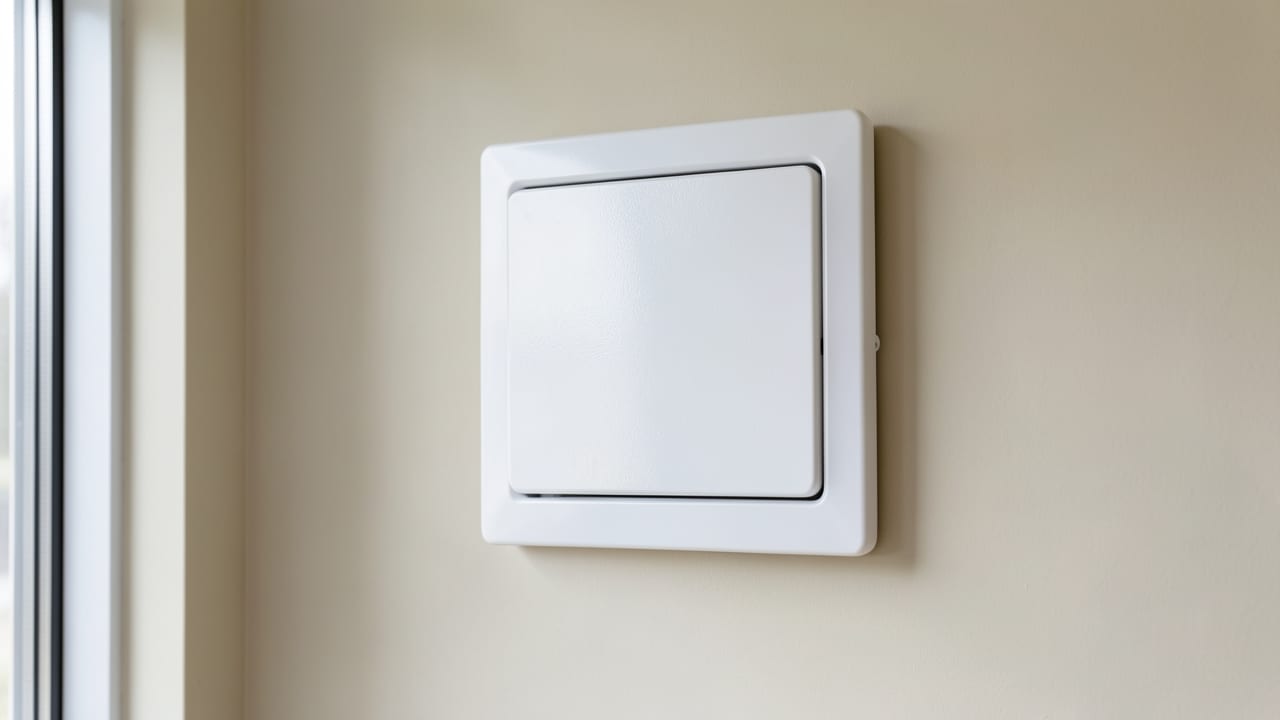
Vent Cover Cleaning in Apopka, FL
Professional cleaning of vent covers to improve airflow and indoor air quality.
Learn More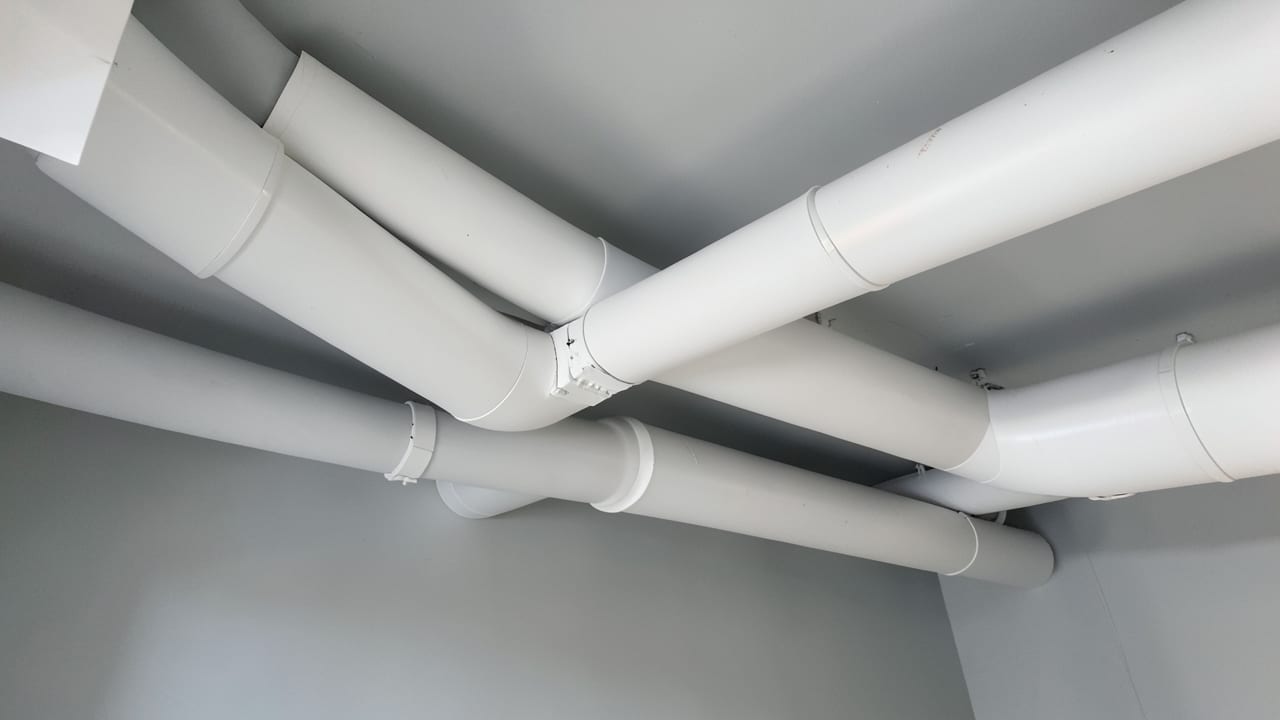
Vinyl Duct Cleaning in Apopka, FL
Professional cleaning of vinyl air ducts to remove dust, debris, and contaminants from HVAC systems.
Learn MoreCommon Questions About Air Duct Cleaning in Apopka
Everything you need to know about air duct cleaning services in Apopka
How much does Ductwork Inspection typically cost in Apopka, FL?
Can humidity in Apopka, FL lead to mold growing inside the ductwork itself?
Does dirty ductwork actually cause allergy or respiratory symptoms?
Can air ducts be cleaned with a household vacuum instead of hiring it out?
Is duct cleaning ever covered by a home warranty or insurance policy?
What's the actual difference between duct cleaning and dryer vent cleaning?
Need Air Duct Cleaning in Apopka?
Get a written quote from our Apopka crew.
⏰ We answer your call • Serving all of Apopka and surrounding areas