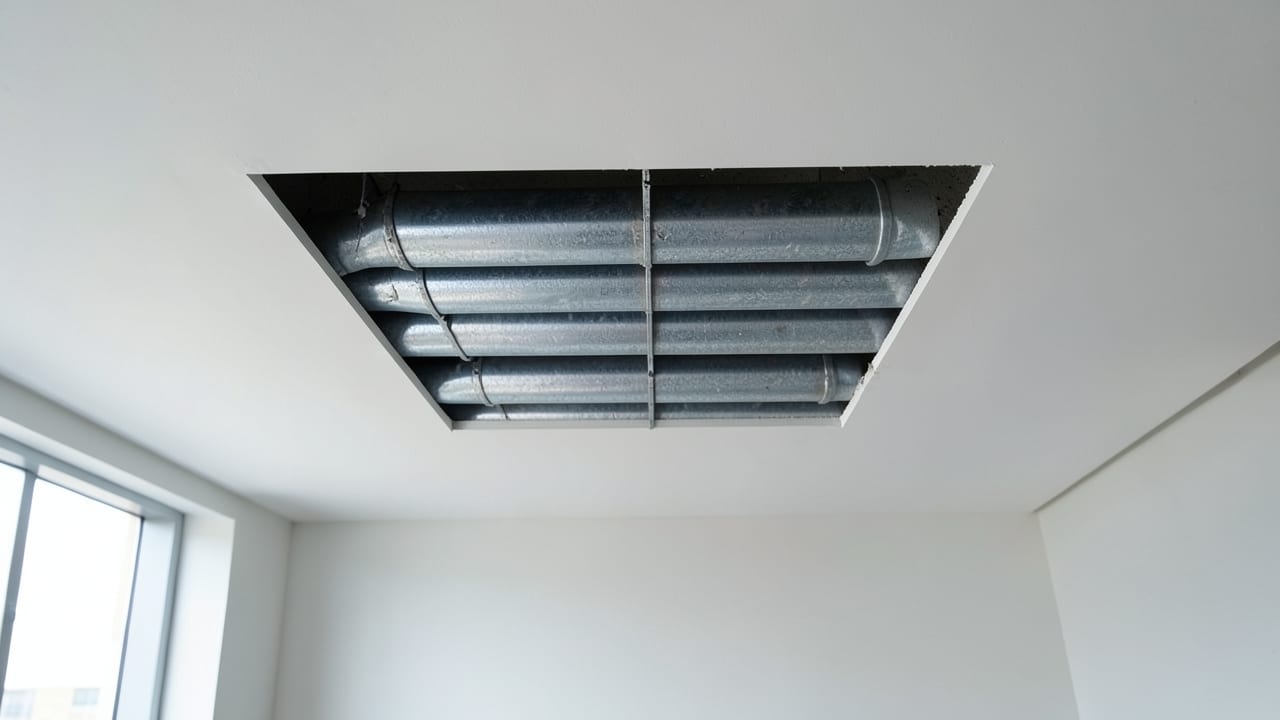
Water Damage Duct Restoration
Restoring air ducts damaged by water to prevent mold and improve HVAC efficiency.
Water damage in air ducts can turn your Apopka home’s HVAC system into a breeding ground for mold, bacteria, and dust buildup, worsening indoor air quality and airflow. Restoration involves a thorough cleaning, drying, and sanitizing process to remove contaminants and prevent long-term issues.
If your ducts have been exposed to water—whether from leaks, floods, or high humidity—this service helps restore safe, efficient airflow throughout your home.
We also handle Kitchen Exhaust Hood Cleaning and Bathroom Exhaust Fan Cleaning for Apopka properties.
Signs your ducts need restoration after water damage
Water damage in ducts often shows up as visible problems in your living spaces rather than inside the ductwork itself.
If you notice a puff of dust when your HVAC system first turns on, or if dust resettles on furniture within days of cleaning, it may mean debris is still circulating through your vents.
A musty or stale smell that disappears once the system shuts off is another red flag, as it often points to microbial growth inside the ducts.
A room that collects dust faster than others—or one where dust visibly builds up near a vent grille—suggests active delivery of particles from the ductwork. If you’ve recently experienced water leaks, flooding, or high humidity in your home, these signs become even more critical.
Ignoring them can lead to mold spread, reduced efficiency, and poor air quality, making restoration essential for long-term comfort and safety.
When to Suspect Water-Damaged Ducts
- Dust reappears on surfaces within days of cleaning, especially near supply vents.
- A musty or damp smell is noticeable while the HVAC system runs but fades when off.
- Visible mold growth or discoloration appears on duct registers, grilles, or nearby surfaces.
- Airflow feels weaker than before, or some vents blow less air than others.
- You’ve had recent water leaks, flooding, or prolonged high humidity in the home.
What affects the cost and timing of restoration?
The cost of water damage duct restoration in Apopka depends on the extent of contamination, the size of your duct system, and the methods used. Unlike standard duct cleaning, restoration requires additional steps like drying, sanitizing, and sometimes mold remediation if biological growth is present.
Pricing models vary—some quotes are flat-rate for the whole system, while others charge per vent or register, which can lead to widely different totals for similar homes.
Timing also varies based on household conditions. Homes with pets, high dust levels, or poor air filtration may need more frequent service, while others might only require restoration every few years.
The key is addressing the root cause—whether it’s moisture, debris buildup, or microbial growth—and preventing recurrence through proper maintenance, like sealing duct gaps and changing filters regularly.
Common mistakes to avoid during restoration
Skipping a thorough inspection with a camera or mirror can leave hidden damage untreated, particularly in flexible duct sections where connections may loosen during agitation. Without sealing off unused registers, dislodged dust and debris can spread throughout your home instead of being captured by the collection system.
Overlooking the HVAC coils and blower—often included in restoration quotes—can leave moisture and contaminants behind, leading to recurring issues.
Applying biocides or moisture treatments without proper drying can create a damp environment inside the ducts, promoting new microbial growth. Rushing the process or using improper equipment, like a shop vac at the vent instead of a whole-system negative-pressure method, removes far less debris and fails to address deep-seated contamination.
Always verify that the service includes airflow verification to ensure the work actually improves circulation.
| Mistake | Risk |
|---|---|
| Skipping camera inspection before cleaning | Missed hidden damage, especially in flex ducts |
| Not sealing unused registers | Dust and debris spread into living spaces |
| Excluding HVAC coils/blower from cleaning | Moisture and contaminants remain in the system |
| Using shop-vac at vents instead of whole-system method | Incomplete debris removal, poor results |
| Applying biocides without drying | Encourages new microbial growth inside ducts |
How water damage duct restoration works
Restoration begins with a detailed inspection to identify contaminated sections, followed by sealing, cleaning, and sanitizing.
- 1Inspection with Camera/Mirror
A professional uses a camera or mirror to inspect supply and return ducts for dust, debris, mold, or moisture buildup. This step pinpoints areas needing agitation and determines if additional treatments (like mold remediation) are required.
- 2Sealing Registers and Vents
All registers and vents not being worked on are sealed off, and a negative-pressure collection unit is connected to the system. This ensures dislodged material is pulled into the HEPA-filtered collection system instead of blowing back into your home.
- 3Mechanical Agitation and HEPA Extraction
Rotary brushes or compressed-air whips loosen compacted dust and debris from duct walls. A HEPA vacuum then extracts the material, capturing fine particles on-site and preventing them from recirculating through your home’s air.
- 4Cleaning Registers, Grilles, and Diffusers
Each supply and return register, grille, and accessible diffuser is removed and cleaned separately, as these accumulate different types of buildup—like pet hair or surface dust—than deeper duct sections.
- 5Airflow Verification and Final Checks
After reassembling the system, airflow is measured at multiple registers to confirm improvements. The technician also checks for loose connections (especially in flex ducts) and ensures the system is dry and sanitized to prevent future contamination.
Frequently asked questions
How do I know if my ducts need restoration instead of just a standard cleaning?
If your ducts have been exposed to water—from leaks, floods, or high humidity—and you notice signs like musty smells, visible mold, or dust reappearing quickly after cleaning, restoration is likely needed. Standard cleaning won’t address microbial growth or deep-seated moisture issues.
Will restoration remove mold if it’s already growing in my ducts?
Yes, but it may require additional steps beyond standard cleaning, such as antimicrobial treatments or specialized drying. A professional inspection will determine the extent of mold and whether standard restoration is sufficient or if further remediation is needed.
How often should I have my ducts restored after water damage?
There’s no one-size-fits-all answer—it depends on your home’s conditions, like humidity levels, pet dander, or air filtration. However, if water damage was severe or mold was present, a follow-up inspection in 6–12 months is wise to ensure no recurrence.
Can I prevent my ducts from getting damaged by water again?
Yes, by sealing gaps in ductwork, changing air filters regularly (every 1–3 months), and addressing leaks or humidity issues promptly. Keeping registers and grilles clean also reduces the amount of dust and debris pulled into the system between services.
Where Apopka sits, and what the Census lists nearby
Apopka sits in Florida, and the closest places listed in the U.S. Census Gazetteer are Zellwood (2.9 miles northwest), South Apopka (3.5 miles southeast), Clarcona (5.2 miles south), Paradise Heights (5.4 miles south). Within 25 miles of Apopka the same source lists 85 distinct incorporated places and census-designated places.
Those figures matter for water damage duct restoration because they are straight-line distances between Census coordinate points: road mileage between Apopka and Zellwood runs longer than the 2.9 miles shown, which is why quotes for the same job differ between towns that look close together on a map.
Source: U.S. Census Bureau Gazetteer.
See Longwood, FL for more, or find out about what's included in our Apopka service on a single page for our complete lineup.
Ready to get started?
Talk to a local air duct cleaning pro in Apopka — get a written quote.
Other Air Duct Cleaning Services in Apopka
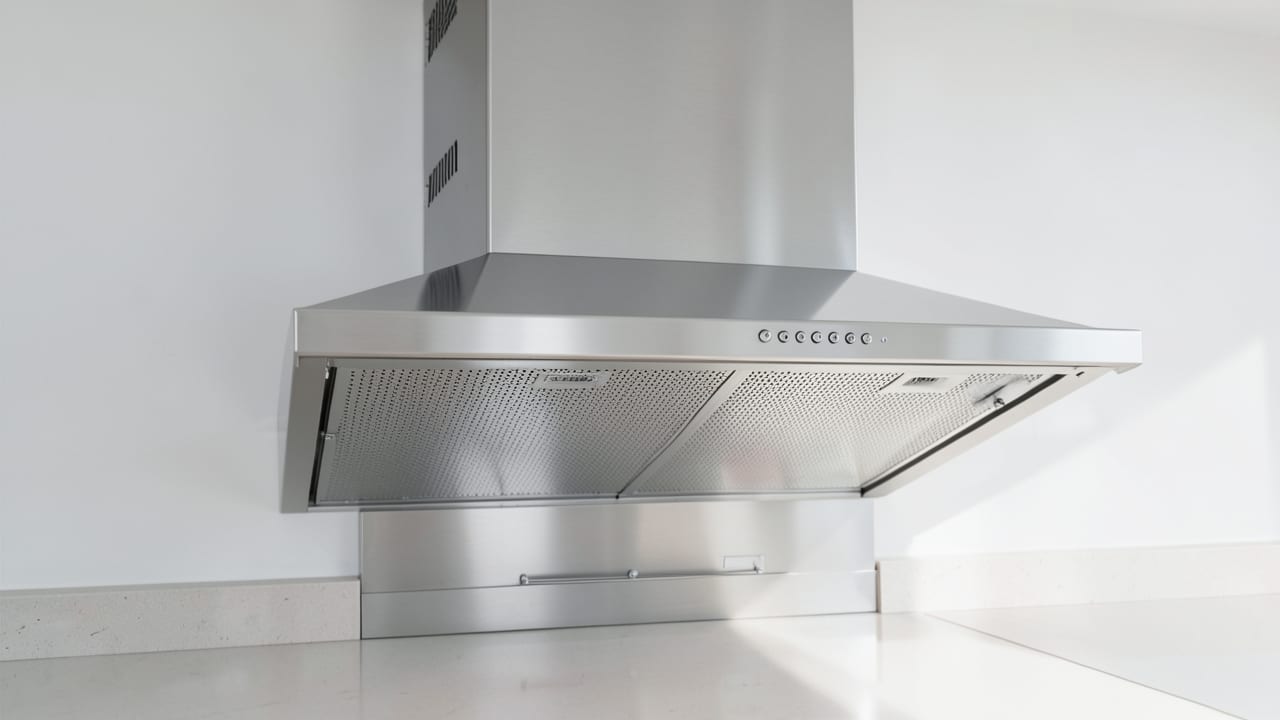
Kitchen Exhaust Hood Cleaning in Apopka, FL
Commercial and residential kitchen exhaust hood cleaning in Apopka, FL — removes grease buildup from hoods, filters, and ductwork.
Learn More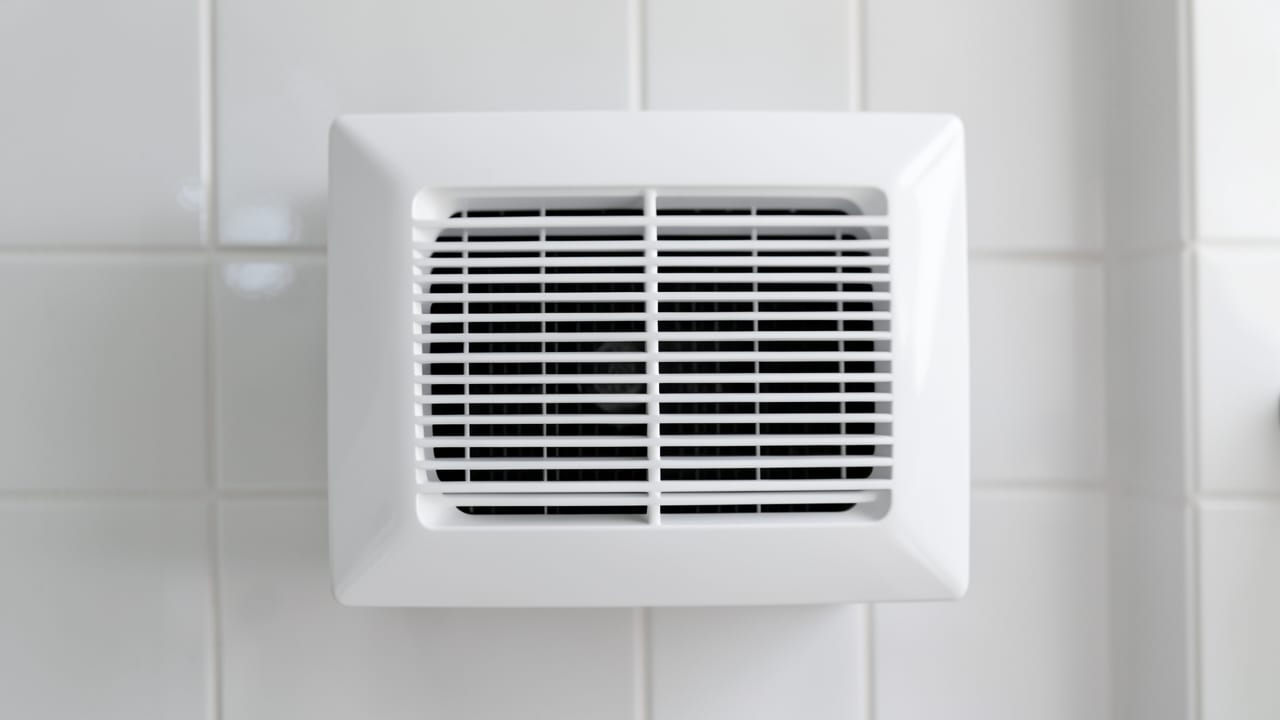
Bathroom Exhaust Fan Cleaning in Apopka, FL
Bathroom exhaust fan cleaning in Apopka, FL clears dust and lint from the fan housing and vent run, restoring proper airflow.
Learn More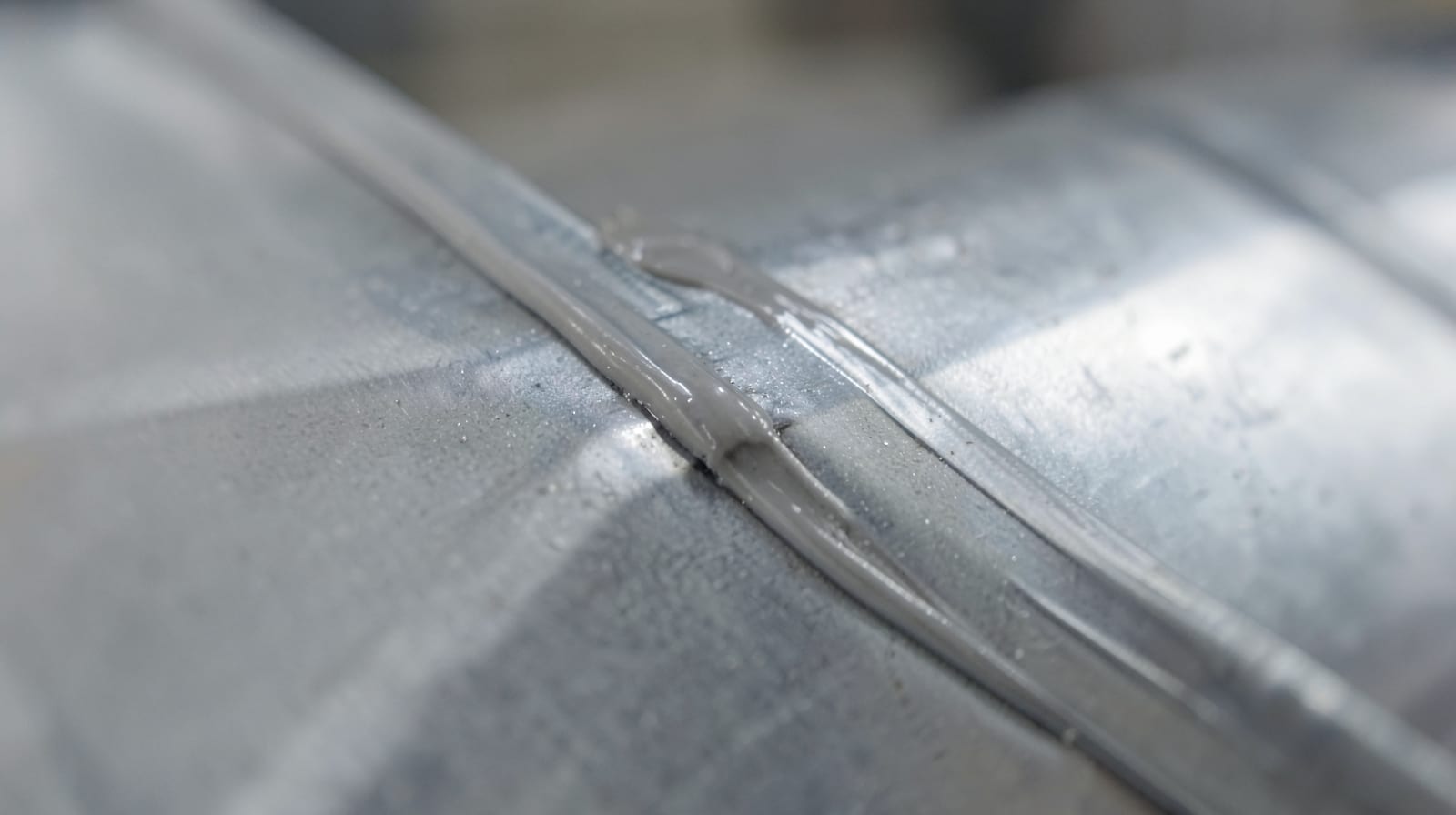
Duct Sealing in Apopka, FL
Duct sealing in Apopka, FL closes leaks in supply and return ductwork that waste conditioned air and strain the HVAC system.
Learn More
Furnace & Vent Cleaning in Apopka, FL
Furnace and vent cleaning in Apopka, FL clears the burner compartment, blower, and venting of dust and combustion byproducts.
Learn More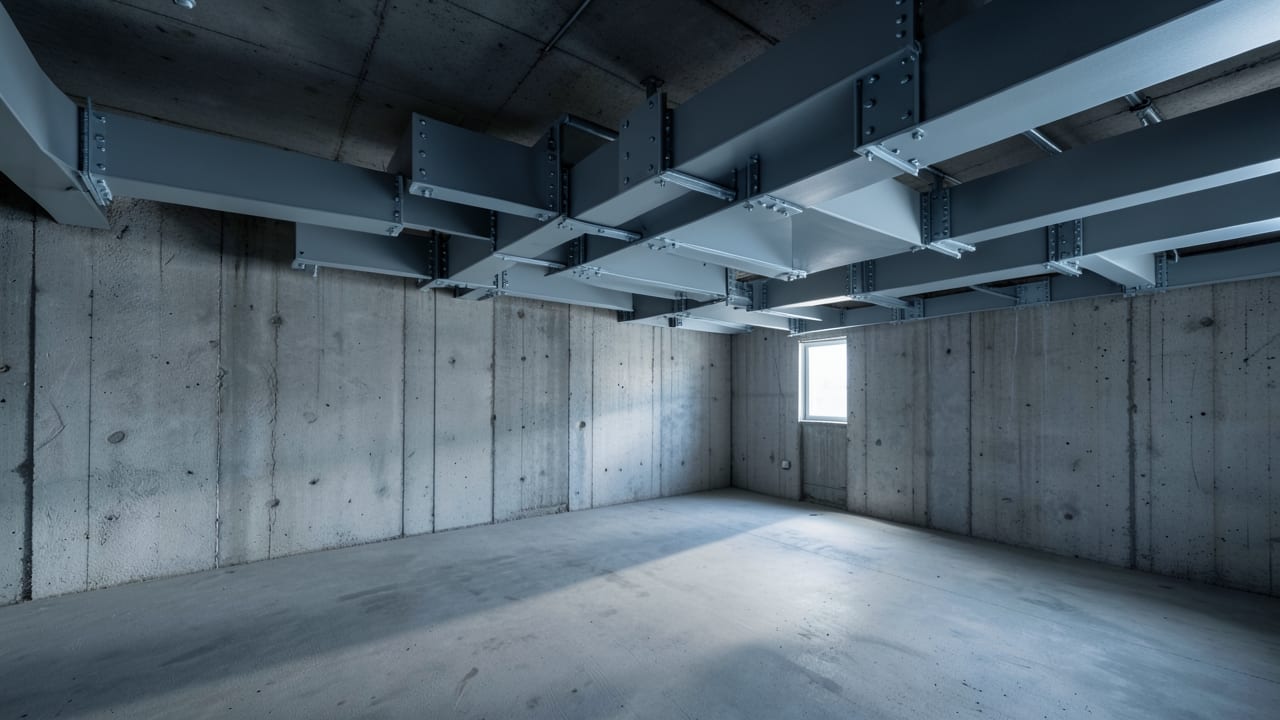
Basement Duct Cleaning in Apopka, FL
Professional cleaning of basement air ducts to remove dust, debris, and contaminants from HVAC systems.
Learn More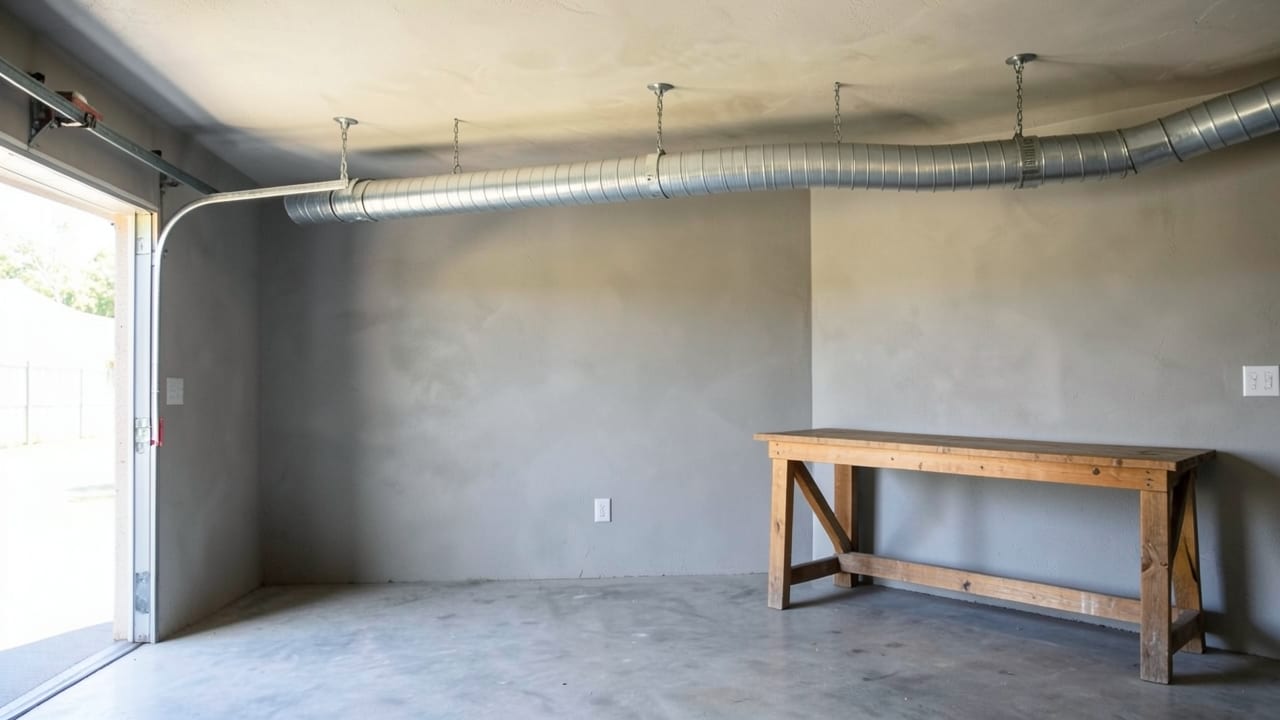
Garage Duct Cleaning in Apopka, FL
Professional cleaning of garage air ducts and HVAC components to improve airflow and indoor air quality.
Learn MoreCommon Questions About Air Duct Cleaning in Apopka
Everything you need to know about air duct cleaning services in Apopka
How much does Water Damage Duct Restoration typically cost in Apopka, FL?
Can humidity in Apopka, FL lead to mold growing inside the ductwork itself?
What's the actual difference between duct cleaning and dryer vent cleaning?
Does the cleaning process release dust into the rest of the home?
How long does a typical air duct cleaning appointment take?
Can duct cleaning damage older or fragile ductwork?
Need Air Duct Cleaning in Apopka?
Get a written quote from our Apopka crew.
⏰ We answer your call • Serving all of Apopka and surrounding areas